

Getting Started: What to Expect
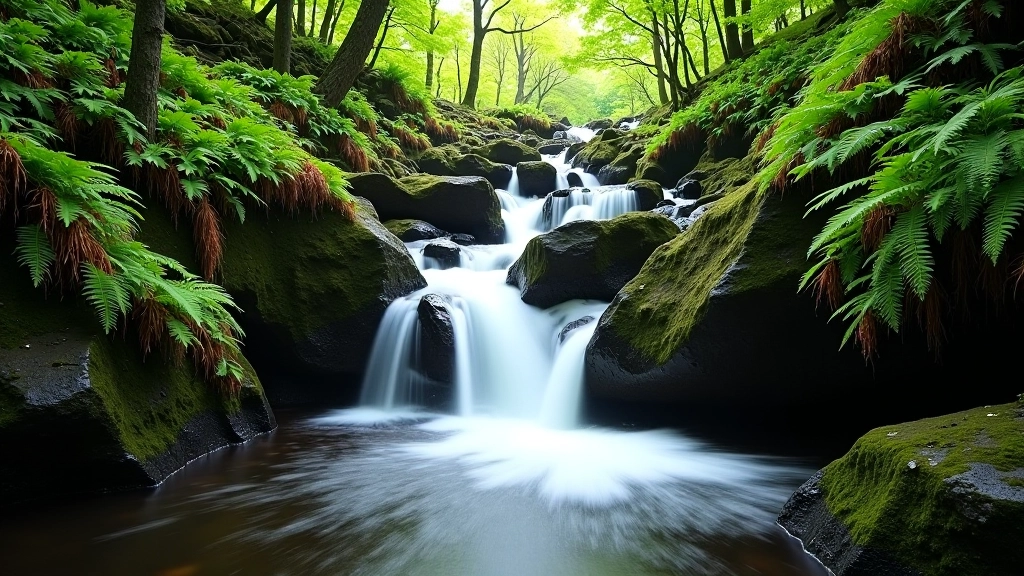
Devil Glen isn't a casual stroll. The trail climbs roughly 180 metres over about 3 kilometres, and you'll encounter proper terrain — roots, loose stones, and sections where you're basically scrambling. But it's not technical rock climbing. Anyone with basic fitness who's done a few country walks can manage it. The reward? You'll stand at the base of a 30-metre waterfall that most people never see because they don't push beyond the car park.
The whole walk takes between 90 minutes and two hours depending on your pace and how long you linger at the waterfall. We'd recommend going early — the light's better in the morning, and you'll avoid crowds. Summer weekends get busy. Winter and autumn are quieter, though you'll want proper grip on your boots when it's wet.
The Route Breakdown: Step by Step
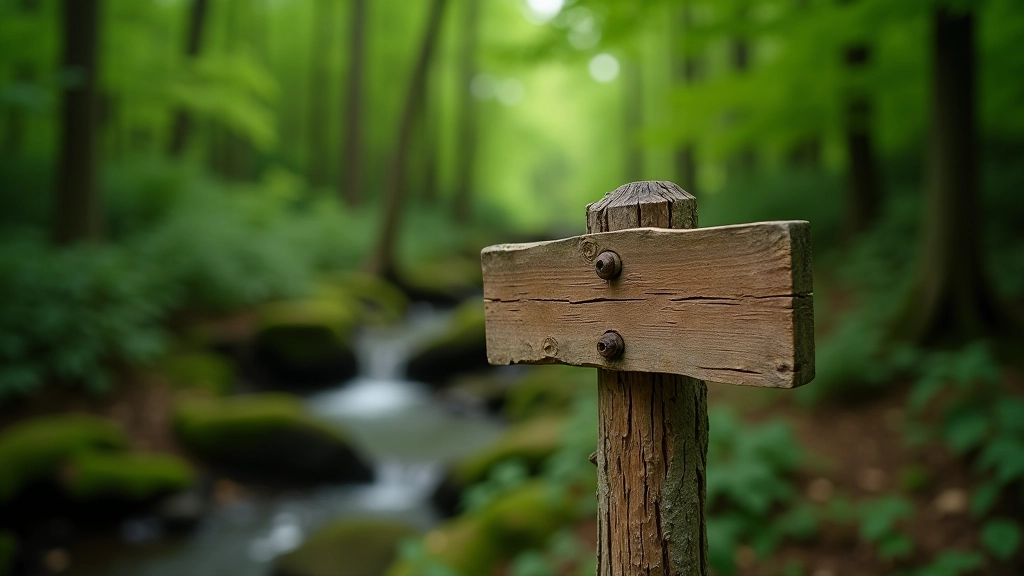
Starting from Ashford village car park, you'll walk up through fields for about 15 minutes until you hit the forest entrance. There's a wooden gate and a trail marker — you can't miss it. From here, the real work begins.
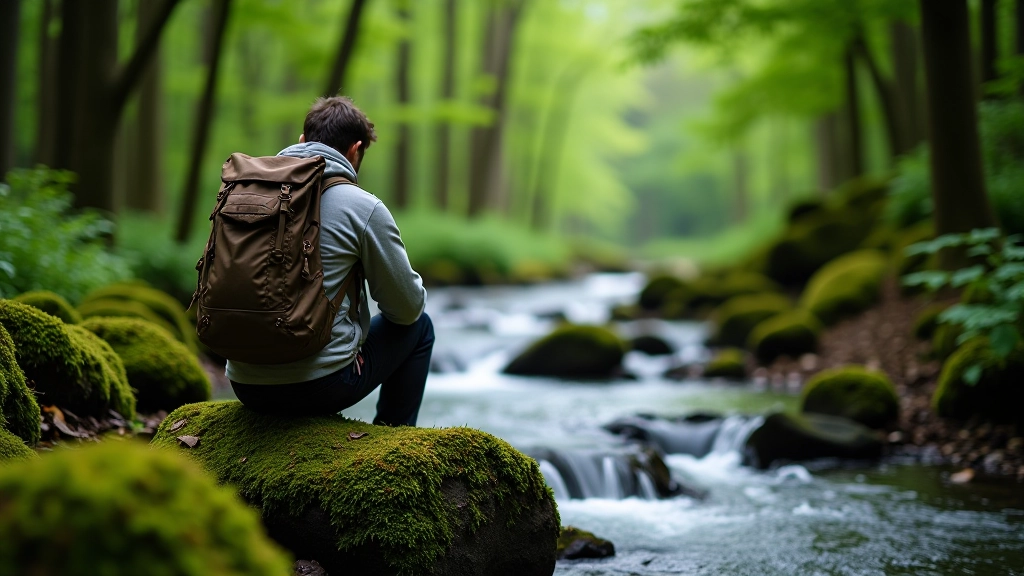
The first section (roughly 1 km) follows an old forestry track. It's steep but straightforward. Your legs will feel it. Around 30-40 minutes in, you'll notice the sound of water getting louder. That's good. Keep going. The path narrows and becomes more of a scramble through the glen itself. This middle section is where the magic happens — the gorge tightens, moss covers everything, and the air gets noticeably cooler. You're now in the actual Devil Glen ravine.
The final push to the waterfall base takes another 20-30 minutes. You'll be picking your way over rocks, occasionally using your hands. There's a small stream you'll cross multiple times. In summer it's ankle-deep. In winter it can be knee-high, so check weather before you go.
What You'll Actually Need
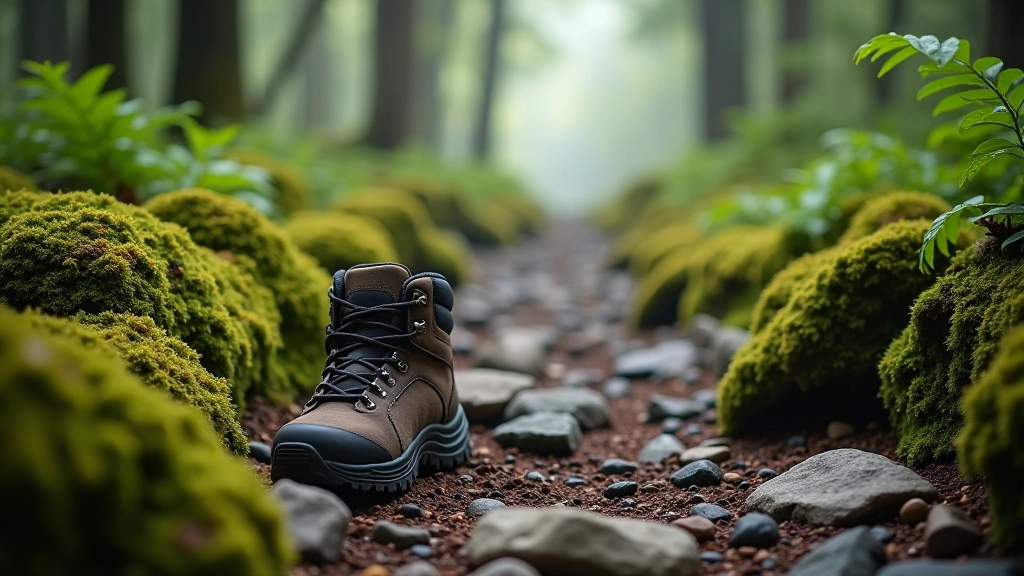
- Proper hiking boots with grip (trainers won't cut it)
- Waterproof jacket — the spray from the waterfall reaches further than you'd think
- 2+ litres of water. You'll use more than you expect.
- Snacks. A bar of chocolate or trail mix makes the final scramble feel less brutal.
- Phone for photos, but accept you won't get great shots in the dark glen
- Headtorch if you're going late autumn/winter (sunset's around 4pm)
Photography Tips and the Best Viewpoints
The waterfall basin is smaller than you'd expect — maybe 15 metres across. Don't bring a tripod. There's nowhere flat to put it, and honestly, the scramble down is tricky enough without carrying extra gear. Your phone camera will do fine. The light's challenging because you're in a gorge, so don't expect professional-grade shots.
The best viewpoint is actually to the left of the waterfall base, where you can get the full 30-metre drop in frame without being drenched by spray. Walk to the right and you'll be standing in a constant mist — fine if you're prepared for wet kit, but your camera won't thank you.
Shoot in portrait mode for the waterfall itself. The vertical drop is what makes it impressive. Wide shots of the gorge work better in the morning when light filters down from above. Midday the canyon's too dark. Early morning or late afternoon (when you can still see) gives you warmer tones and more definition.
Rest Points and Safety Considerations
There's a relatively flat area about halfway through the forest section where most people take a breather. Sit down, drink water, eat something. Don't push on if you're already exhausted — you've still got the steep descent ahead.
The biggest hazard isn't the climb. It's the descent. Your legs are tired, the rocks are slippery, and people rush. Go slowly on the way down. It's genuinely easier to twist an ankle coming back than going up. Watch for tree roots — they're hidden under moss and leaves.
In wet conditions, the scramble sections become genuinely tricky. If you're not confident on slippery rocks, don't go during or just after heavy rain. The trail drains poorly in the glen itself. Winter ice is also a real problem — if there's been a frost, the moss-covered rocks turn into skating rinks.
Mobile signal is hit or miss in the glen, so don't rely on your phone for navigation. Take a map or download offline maps before you start. The trail's well-marked but easy to miss at junctions if you're not paying attention.
Important Information
This guide is informational and based on general hiking conditions. Weather, trail conditions, and accessibility change seasonally. Always check current conditions before heading out, bring appropriate safety gear, and consider hiring a local guide if you're inexperienced with scrambling. We're not responsible for injuries or accidents. Know your limits and turn back if conditions feel unsafe.
Why Devil Glen Matters
It's not the highest waterfall in Ireland. It's not the easiest walk. But it's one of the most rewarding because you've actually earned it. You've scrambled through a proper glen, pushed your legs, and emerged at something genuinely spectacular. That's why people come back.
The walk teaches you something about yourself too. Somewhere around kilometre two, when your thighs are burning and you're wondering if you made a mistake, you'll keep going because you can hear that waterfall. And when you reach it — when you're standing there, catching your breath, water misting your face — you'll know it was worth every step.
Don't just read about it. Go. Bring good boots, a waterproof jacket, and realistic expectations. Devil Glen's waiting.