

Why These Paths Deserve Your Attention
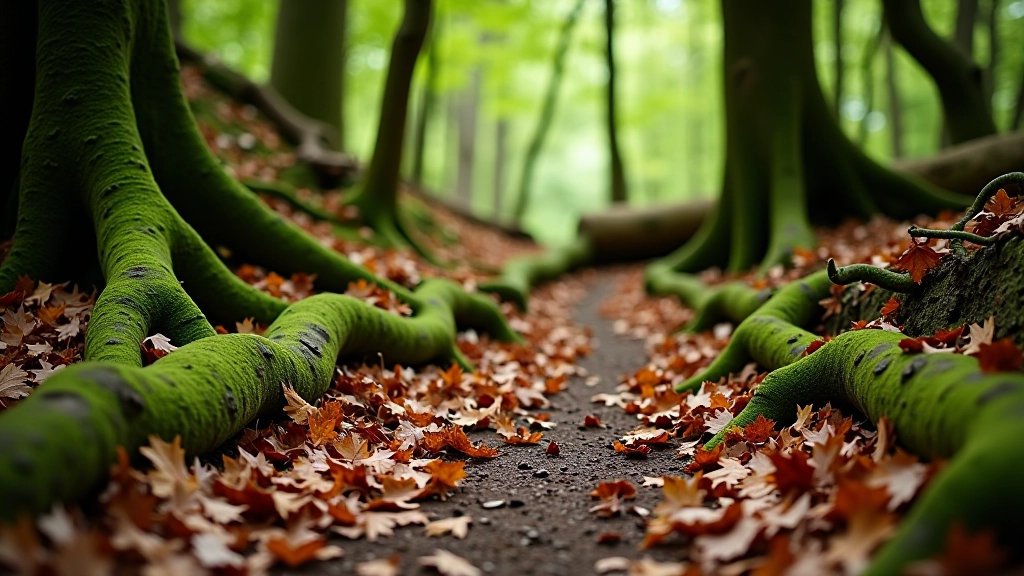
Most people stick to the main routes in Wicklow. You'll find crowds on the famous trails, sure. But there's another Wicklow hidden beneath the canopy — quieter, older, more intricate. These woodland floor paths don't appear on standard maps. They're worn into the earth by locals, deer, and centuries of footfall.
We're talking about routes that wind through ancient mixed woodland where the air feels different. Damper. Quieter. You'll step on moss that's been growing for decades. The paths themselves are almost invisible until you're standing on them — just subtle depressions in the forest floor where generations have walked.
Five Routes You've Likely Missed
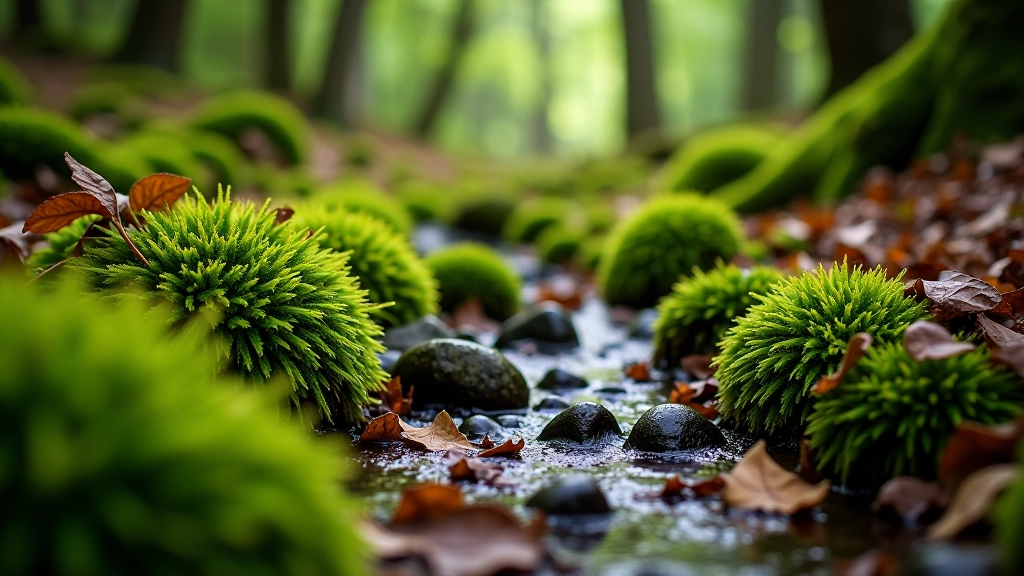
Here's what makes these paths different from the standard walks. They're shorter — most take 45 minutes to an hour. They're quieter — genuinely. And they're wetter. That's not a complaint. The moisture is why they're so green, so alive. You'll see more fungus, more moss varieties, more evidence of the forest actually working.
The Mossy Glade Loop runs for about 2 kilometres through oak and beech. You'll cross a small stream twice — it's shallow, easy to hop across. The ground underfoot changes constantly. Sometimes it's firm enough to walk quickly. Other sections are soft and spongy where water filters through the leaf layer. Don't rush it. That's where the experience is.
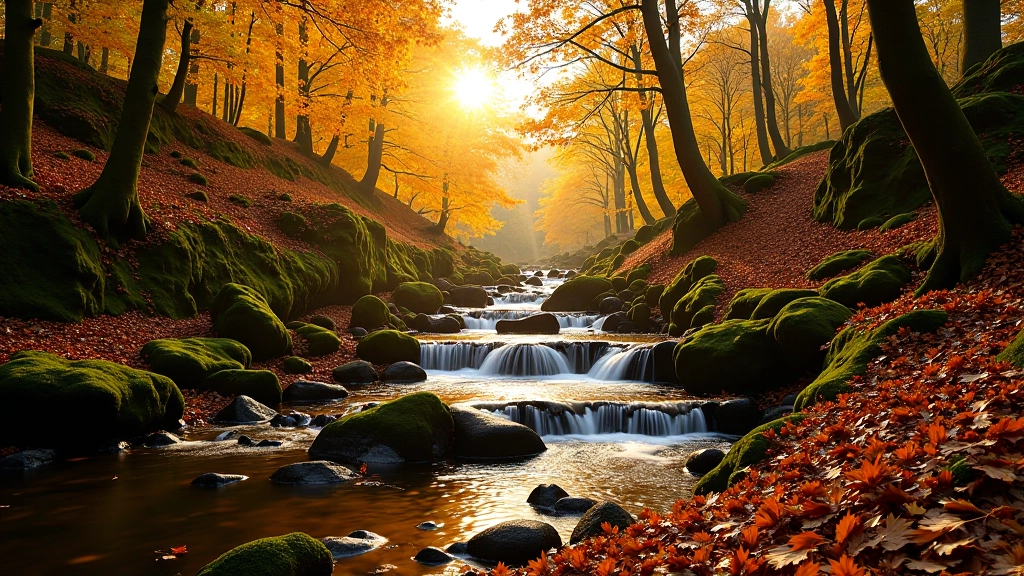
Thornbrook Hollow is steeper. It drops about 60 metres over its 1.5-kilometre length. There's a tiny waterfall at the bottom — nothing dramatic, but permanent. The path itself is well-defined here because water naturally channels feet into specific lines. You'll notice the soil changes as you descend. Darker. Richer. More organic matter accumulating.
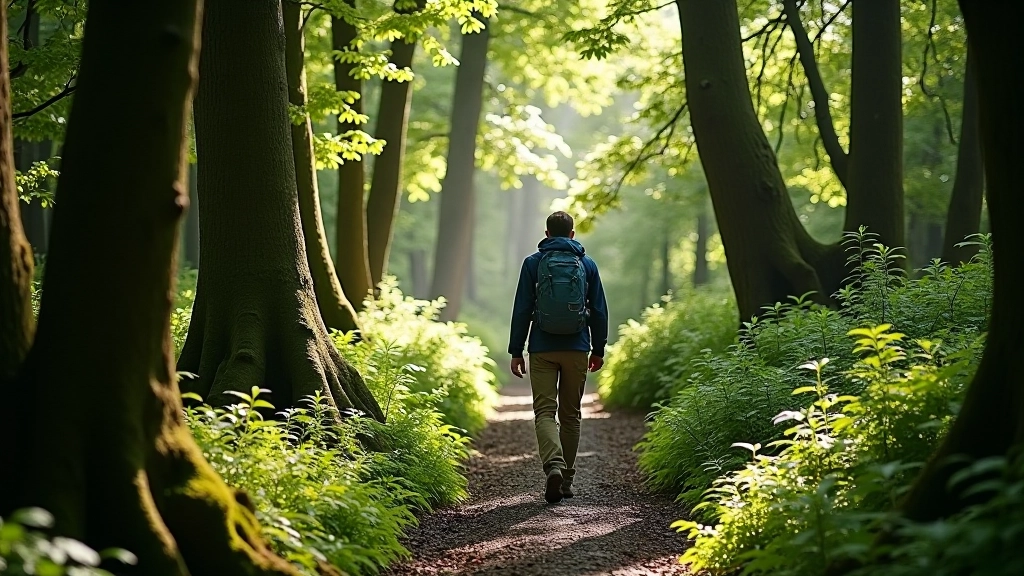
Note: This article is informational about Wicklow's woodland paths based on field experience and local knowledge. Conditions vary seasonally. Always check weather forecasts, wear appropriate footwear, and bring water. These aren't maintained trails — navigate responsibly and respect private property boundaries.
Reading the Forest Floor

The key to finding these paths is learning what to look for. You're not hunting obvious tracks. You're noticing subtle patterns. Compressed moss. Worn vegetation. A slight depression that's just slightly more defined than the surrounding ground.
Deer paths are the easiest to spot. They're narrow — maybe 20 centimetres wide — and consistent. They follow contours, taking the path of least resistance. Human paths are messier but still recognizable. You'll see where boots have disturbed the leaf litter.
Once you're on a path, stay on it. It's tempting to wander in ancient woodland. Don't. These paths exist because they work. Straying damages moss growth and creates erosion patterns that take years to recover.
Timing Your Visit Right
Spring is muddy. That's not criticism — it's just reality. The paths are passable but soft. You'll sink slightly with each step. Your boots will be heavy with wet clay by the end. But spring is when everything's emerging. Ferns uncurl. Bluebells appear in clearings. The woodland is genuinely vibrant.
Summer dries things out. The paths become firmer, easier to navigate quickly. But they're also more obviously worn. And you'll encounter more walkers — not crowds, but more than spring. Early autumn is genuinely ideal. Ground conditions are good. Most casual hikers have moved on. The light through the canopy gets that golden quality that makes everything photogenic without being artificial.
Winter is technical. The paths get slippery. Wet leaves hide roots and rocks. It's doable with proper boots and attention, but it's not the experience these paths offer best.
What to Bring and Know
Good waterproof boots matter here. Not because you're crossing rivers. Because the ground stays damp even when it hasn't rained in days. That's the whole appeal — the constant moisture that keeps everything green. But it means your feet will be wet if you're not prepared.
Bring more water than you think you'll need. There's no reliable water source on most of these routes. The streams are there, yes, but filtering woodland water takes time you probably don't want to spend mid-walk.
A basic map or offline GPS is genuinely useful. These paths don't have signage. Getting turned around isn't dangerous — you can't get truly lost in this terrain — but it's frustrating. A phone with downloaded maps solves this completely.
Cell reception is inconsistent. That's part of the appeal. But it's worth knowing before you head in. Let someone know your rough route and expected return time. Not because it's dangerous — these aren't technical walks — but because it's responsible.
Why Quiet Paths Matter
These hidden woodland paths aren't hidden because they're secret. They're quiet because they're not convenient. They don't lead to dramatic viewpoints or famous landmarks. They're just walks through old forest where the air feels different and your pace naturally slows.
That's exactly why they deserve your attention. In a world of optimized hiking routes and Instagram-famous peaks, there's something genuinely restorative about walking where the main attraction is just the walk itself. The texture of moss under your boots. The smell of damp earth and decay and new growth. The sound of actual silence interrupted only by birds you can't identify.
These paths have been walked for centuries. They'll be walked for centuries more. They're not going anywhere. Neither should you — at least not quickly. That's the whole point.